
Hair growth is often misunderstood—many people believe that avoiding trims helps hair grow faster, but the truth is quite different. Regular trims don’t speed up growth directly, but they help eliminate split ends and breakage, allowing your hair to retain length more effectively. That’s why understanding how often to trim your hair is essential for achieving long, healthy, and strong strands.
Pinterest users frequently search for hair growth tips because healthy hair is always in style. In this guide, you’ll learn 24 practical tips about trimming frequency, hair care routines, and growth maintenance strategies. These tips are designed to help you maintain length, improve hair texture, and prevent damage while keeping your hair looking fresh and healthy.
1. Trim Every 6–8 Weeks for Healthy Growth
Trimming your hair every 6 to 8 weeks is one of the most recommended routines for maintaining healthy growth. This schedule helps remove split ends before they travel up the hair shaft and cause further damage. Regular trims ensure that your hair stays strong and reduces breakage, which allows you to retain more length over time.

This timing works well for most hair types, especially those that are heat-styled or chemically treated. Pinterest users love this tip because it balances growth with maintenance, keeping hair looking fresh and well-shaped without losing too much length.
2. Trim Every 10–12 Weeks for Low Maintenance Hair
If your hair is healthy and not prone to damage, trimming every 10 to 12 weeks may be enough. This longer gap allows you to retain more length while still preventing major split ends from forming. It is ideal for people who use minimal heat styling and maintain a good hair care routine.

However, even low-maintenance hair needs occasional shaping to keep ends fresh and prevent uneven growth. Pinterest users appreciate this tip because it supports long hair goals without requiring frequent salon visits.
3. Trim Every 3–4 Weeks for Damaged Hair
Hair that is heavily damaged from heat, coloring, or chemical treatments may require trimming every 3 to 4 weeks. This helps gradually remove damaged ends and prevents further splitting. While it may seem frequent, small trims are essential for restoring hair health over time.

This approach focuses on slow recovery rather than length retention. Pinterest users search for this tip because it helps repair hair while encouraging healthier regrowth and improved texture.
4. Trim After Heat Styling Damage Appears
If you frequently use heat tools, trimming becomes necessary when you notice dryness, split ends, or rough texture. Heat damage weakens the hair structure, making regular maintenance essential to prevent long-term breakage.
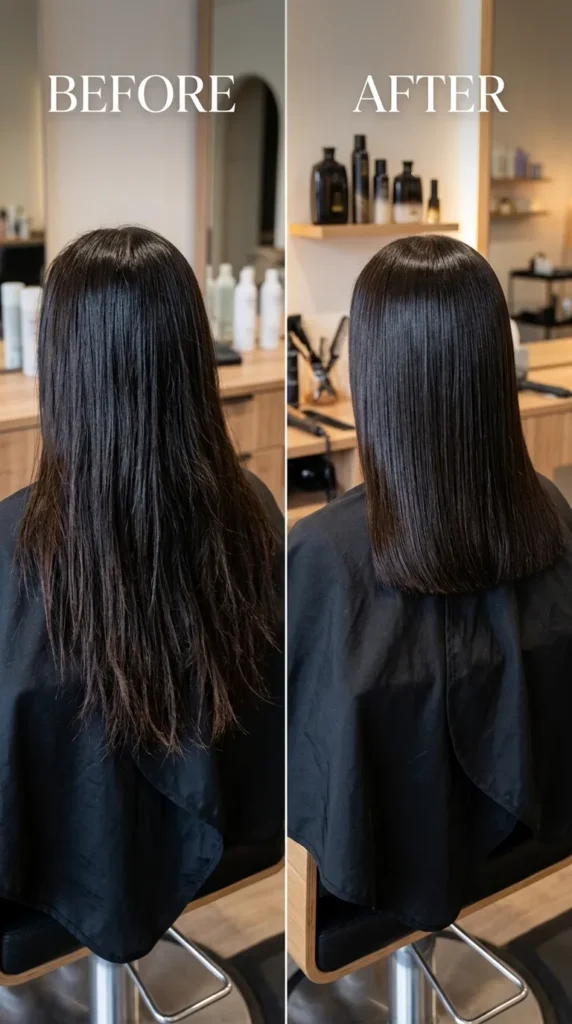
Removing damaged sections early helps protect the rest of your hair from further deterioration. Pinterest users love this advice because it emphasizes prevention and keeps hair looking smooth and healthy despite styling habits.
5. Trim When Split Ends Become Visible
Split ends are one of the clearest signs that your hair needs trimming. If you notice frayed or split strands, it’s time to remove them immediately to prevent further damage. Leaving split ends untreated can cause breakage to travel upward, reducing overall hair length.
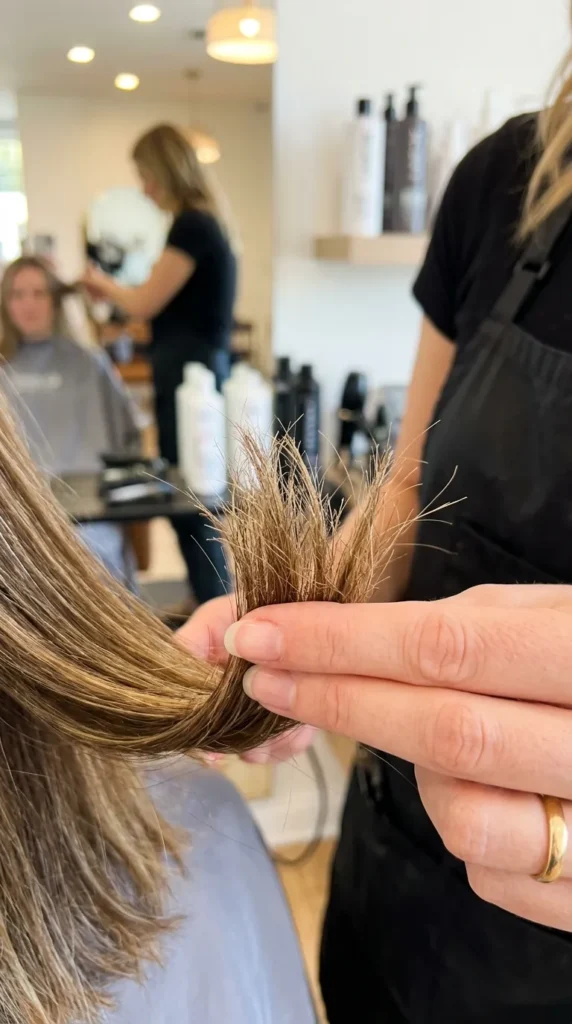
Regular observation of your hair condition helps maintain long-term health. Pinterest users search for this tip because it teaches simple self-monitoring for better hair growth results.
6. Trim Based on Hair Growth Speed
Hair growth speed varies from person to person, so trimming frequency should be adjusted accordingly. Faster-growing hair may need trims more often to maintain shape, while slower-growing hair can go longer between cuts.
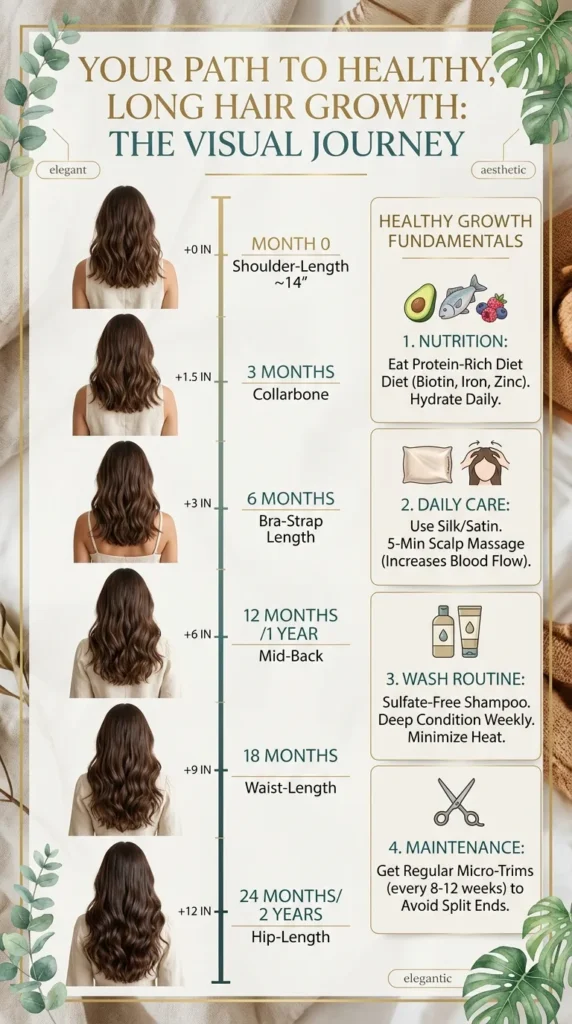
Understanding your natural growth rate helps create a personalized hair care routine. Pinterest users love this tip because it encourages customized hair maintenance rather than a one-size-fits-all approach.
7. Trim Every 2 Months for Balanced Growth
A 2-month trimming cycle is a balanced routine that works for most hair types. It helps maintain shape, remove minor damage, and support steady growth without sacrificing length. This schedule is widely recommended by hair professionals.

It is especially effective for people who use moderate styling tools or color treatments. Pinterest users appreciate this method because it offers a realistic and sustainable hair care routine.
8. Trim Before Major Hair Growth Goals
If you are planning to grow your hair long, it’s important to start with a healthy trim. Removing damaged ends before beginning a growth journey ensures better retention and less breakage over time.

A fresh cut sets the foundation for strong, even growth. Pinterest users love this tip because it focuses on preparation and long-term hair success strategies.
9. Trim After Seasonal Changes
Seasonal changes can affect hair health, especially during winter and summer. Dry air, humidity, and sun exposure can damage hair ends, making seasonal trims important for maintaining strength and shine.

Adjusting your trimming schedule based on seasons helps keep your hair in optimal condition year-round. Pinterest users enjoy this tip because it connects hair care with natural environmental changes.
10. Trim After Chemical Treatments
If you color, bleach, or chemically treat your hair, trimming becomes essential to maintain health. These treatments weaken the hair structure, making ends more prone to splitting and breakage.

Regular trims help gradually remove damaged sections while preserving overall length. Pinterest users love this advice because it supports healthy hair recovery after chemical exposure.
11. Trim Every 8 Weeks for Heat-Styled Hair
If you regularly use curling irons, straighteners, or blow dryers, trimming every 8 weeks is essential. Heat styling weakens the hair cuticle, causing dryness and split ends over time. Regular trims help remove this damage before it spreads, keeping your hair smoother and healthier overall.

This routine also helps maintain shape and shine, especially for styled or layered looks. Pinterest users love this tip because it balances beauty styling with proper hair care, ensuring hair still grows long while staying healthy.
12. Trim Curly Hair Every 10–12 Weeks
Curly hair tends to be naturally drier, so it doesn’t always need frequent trims. Every 10 to 12 weeks is usually enough to maintain shape and remove damaged ends while preserving length. This timing allows curls to grow freely while staying defined and healthy.

Regular trims also help maintain curl pattern and reduce frizz. Pinterest users love this advice because it supports natural curl growth without over-manipulating texture.
13. Trim Straight Hair Every 6–8 Weeks
Straight hair shows split ends more clearly than other textures, so trimming every 6 to 8 weeks is ideal. This schedule helps maintain a clean, polished look while preventing breakage from becoming noticeable. It also keeps ends sharp and smooth.

Straight hair benefits from frequent maintenance because it can look thin or flat when damaged. Pinterest users love this tip because it keeps hair looking sleek and healthy all year round.
14. Trim Only Split Ends (Dusting Method)
The dusting method involves trimming only the very ends of the hair without changing overall length. It is perfect for people who want to grow long hair while still maintaining health. This technique removes split ends before they worsen.
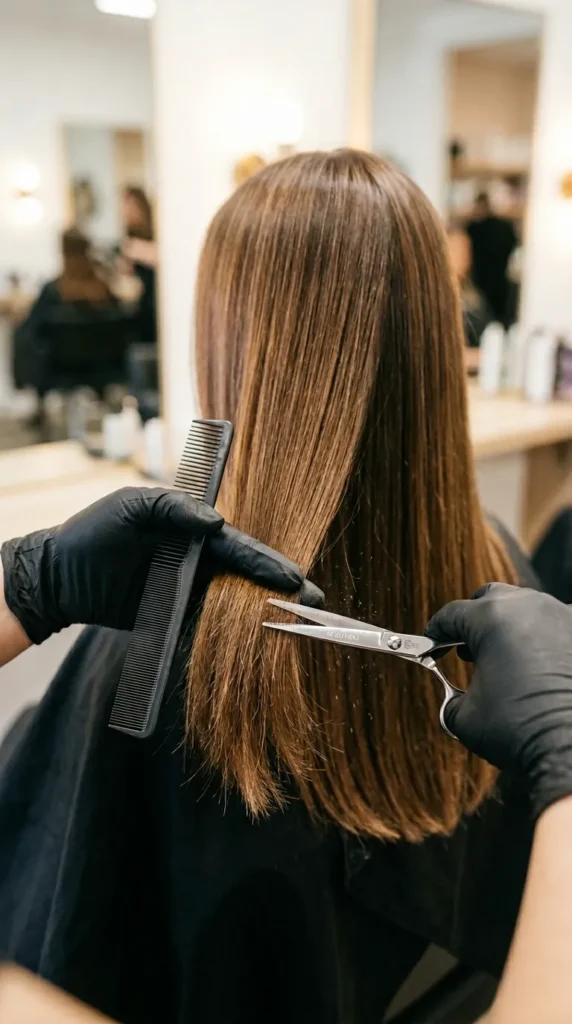
It is a popular method among long-hair enthusiasts because it focuses on preservation rather than cutting. Pinterest users love this technique because it supports extreme length goals without sacrificing hair health.
15. Trim After Excess Shedding
If you notice increased shedding or breakage, it may be time for a trim. Excess shedding often leads to weak ends that need removal to prevent further damage. Trimming helps reset hair health and encourages stronger regrowth.
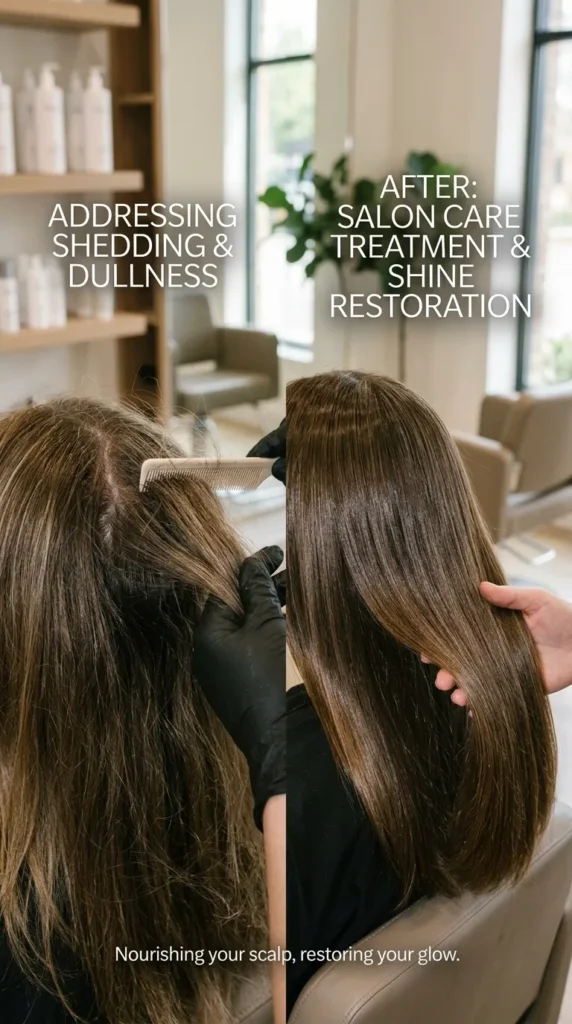
This is especially important after stress, seasonal changes, or hormonal shifts. Pinterest users search for this tip because it connects hair loss awareness with healthy recovery routines.
16. Trim to Maintain Hair Shape
Haircuts lose their shape over time as hair grows unevenly. Regular trims help maintain the intended style, whether it’s layers, bob, or long cuts. This keeps your hairstyle looking fresh and intentional instead of messy or unbalanced.
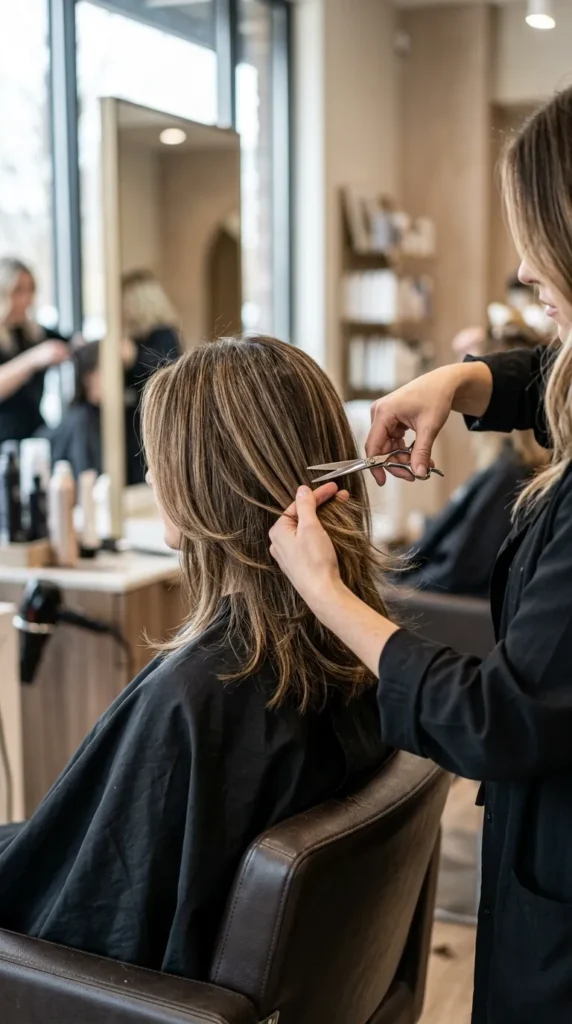
Shape maintenance is important for both short and long hairstyles. Pinterest users love this tip because it ensures hairstyles always look salon-finished and polished.
17. Trim Before Protective Styles
Before installing protective styles like braids or twists, trimming is important. It removes weak or damaged ends that could worsen under tension. This ensures healthier hair growth while the protective style is in place.
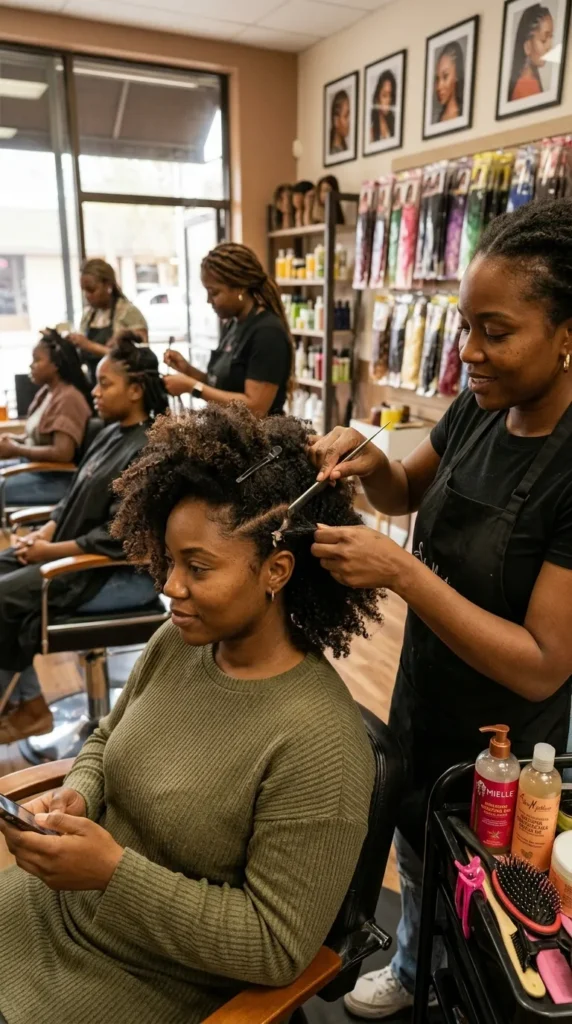
Starting with trimmed hair also improves the final look of braids or extensions. Pinterest users love this tip because it connects protective styling with proper hair preparation.
18. Trim After Removing Extensions
After removing hair extensions or wigs, trimming is often necessary to restore hair health. Extensions can cause tangling, dryness, or stress on natural hair, so a light trim helps remove weak ends and refresh the hair.
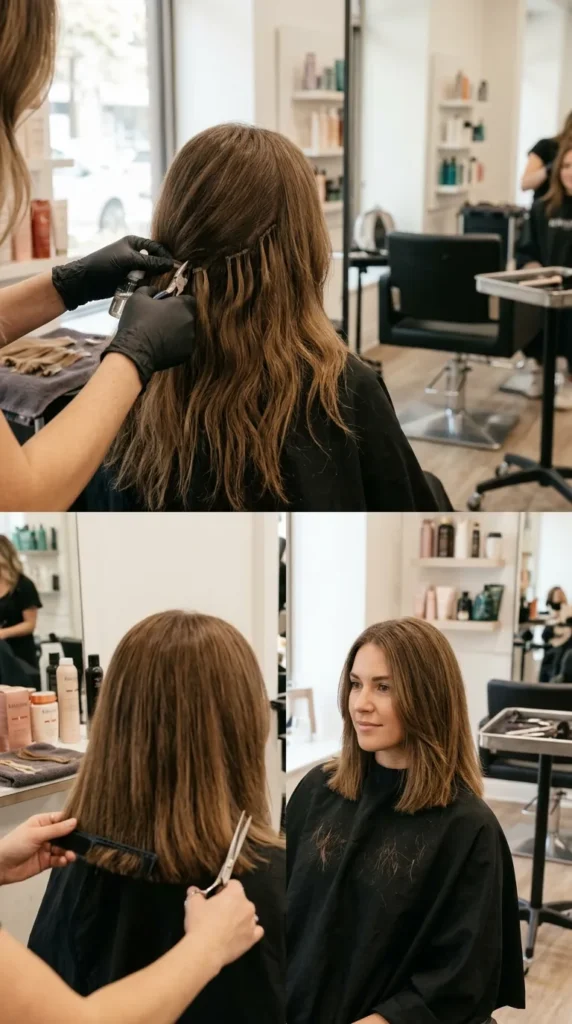
This step helps reset hair condition and prepares it for healthy regrowth. Pinterest users appreciate this advice because it focuses on post-extension recovery care.
19. Trim for Maximum Length Retention
Trimming for length retention may sound contradictory, but it’s one of the most important strategies for long hair growth. By removing only damaged ends, you prevent breakage from traveling up the hair shaft. This allows your hair to actually keep more length over time instead of losing it through split ends.
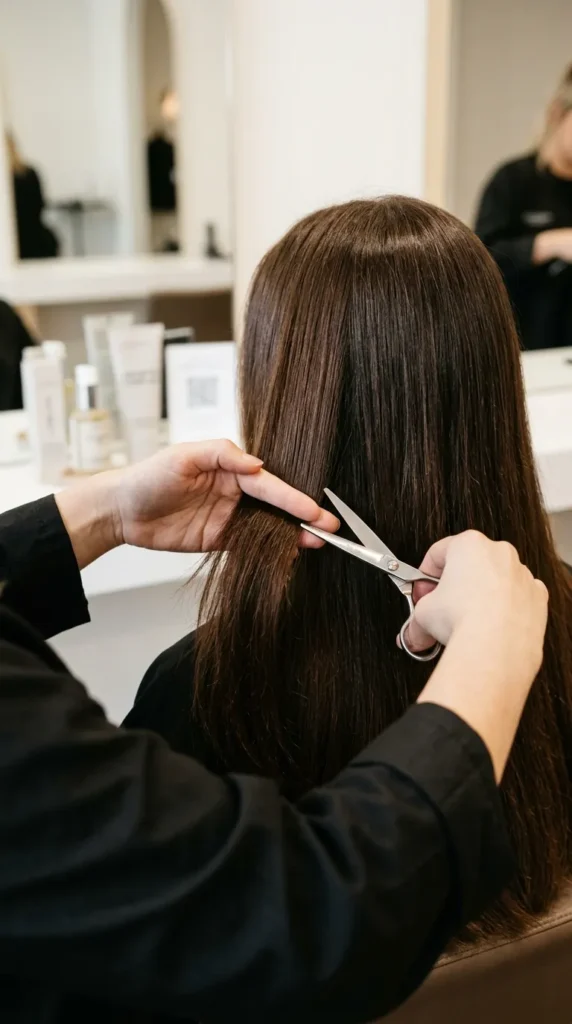
This method focuses on small, consistent trims rather than large cuts. Pinterest users love this tip because it helps them grow long, healthy hair without sacrificing progress or going backwards in length goals.
20. Trim Thin or Fine Hair More Carefully
Thin or fine hair requires a careful trimming approach because it is more prone to breakage and loss of volume. Regular light trims every 6–8 weeks help maintain fullness and prevent ends from looking sparse or frayed. The goal is to keep density while removing weak strands.

This type of hair benefits from soft, minimal cuts rather than heavy layering. Pinterest users love this advice because it helps fine hair look thicker, healthier, and more voluminous over time.
21. Trim During Seasonal Transitions
Seasonal transitions like winter to summer can significantly affect hair health. Dry air, humidity changes, and sun exposure often lead to split ends and dryness. Trimming during these times helps reset hair health and prepare it for new environmental conditions.

This routine keeps hair balanced throughout the year. Pinterest users love this tip because it connects hair care with natural seasonal cycles for healthier long-term growth.
22. Prevent Split Ends with Regular Micro-Trims
Micro-trims involve cutting just a tiny amount of hair regularly to prevent split ends before they become visible. This proactive approach keeps hair healthy and reduces the need for major cuts later. It is ideal for people focused on long-term hair growth.
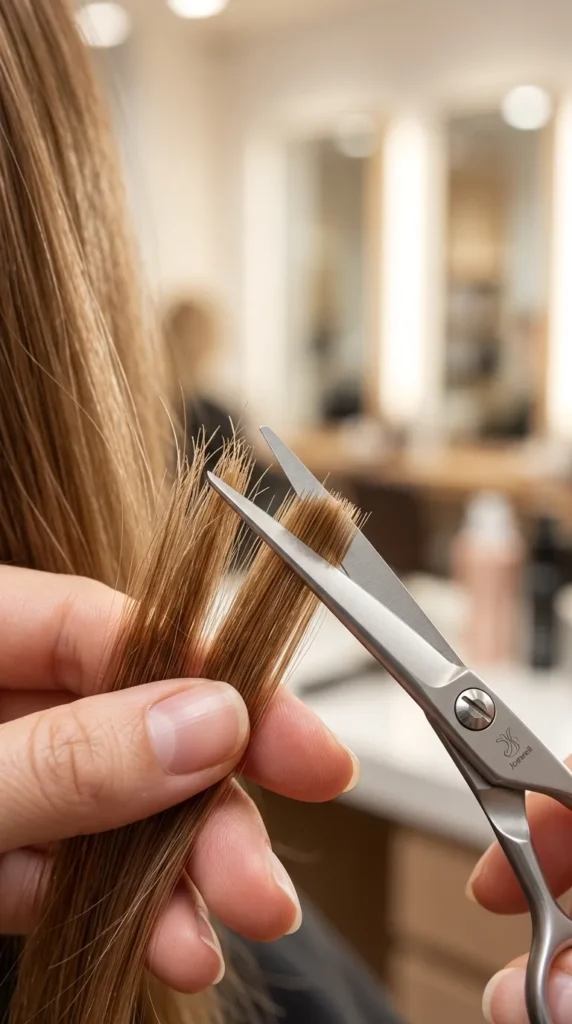
Micro-trimming helps maintain smooth, even ends while preserving length. Pinterest users love this technique because it feels gentle, controlled, and growth-friendly.
23. Balance Trims with Deep Conditioning
Healthy hair growth is not just about trimming—it also requires moisture and nourishment. Combining trims with deep conditioning treatments helps restore strength and elasticity after removing damaged ends. This balance keeps hair soft, shiny, and less prone to breakage.

This routine is especially important for dry or chemically treated hair. Pinterest users love this tip because it creates a complete care system for strong, long hair growth.
24. Trust a Professional for Major Resets
While small trims can be done at home, major resets should always be done by a professional stylist. They can assess hair health, remove damage evenly, and reshape your haircut without sacrificing length. This ensures healthier growth and prevents uneven or accidental cuts.

Professional trims also help identify underlying damage that may not be visible. Pinterest users love this advice because it emphasizes safety and expert care for long-term hair goals.
Conclusion
Understanding how often to trim your hair is one of the most important steps in achieving long, strong, and healthy hair. While trimming doesn’t directly speed up growth, it prevents breakage and split ends that can stop your progress. With the right routine, your hair can grow longer while staying smooth, thick, and well-maintained.
These 24 tips give you a complete guide to balancing trims with proper hair care habits. Whether your hair is curly, straight, fine, or thick, the key is consistency and gentle maintenance. Save these ideas on Pinterest, follow a routine that suits your hair type, and enjoy healthier, longer hair growth over time.