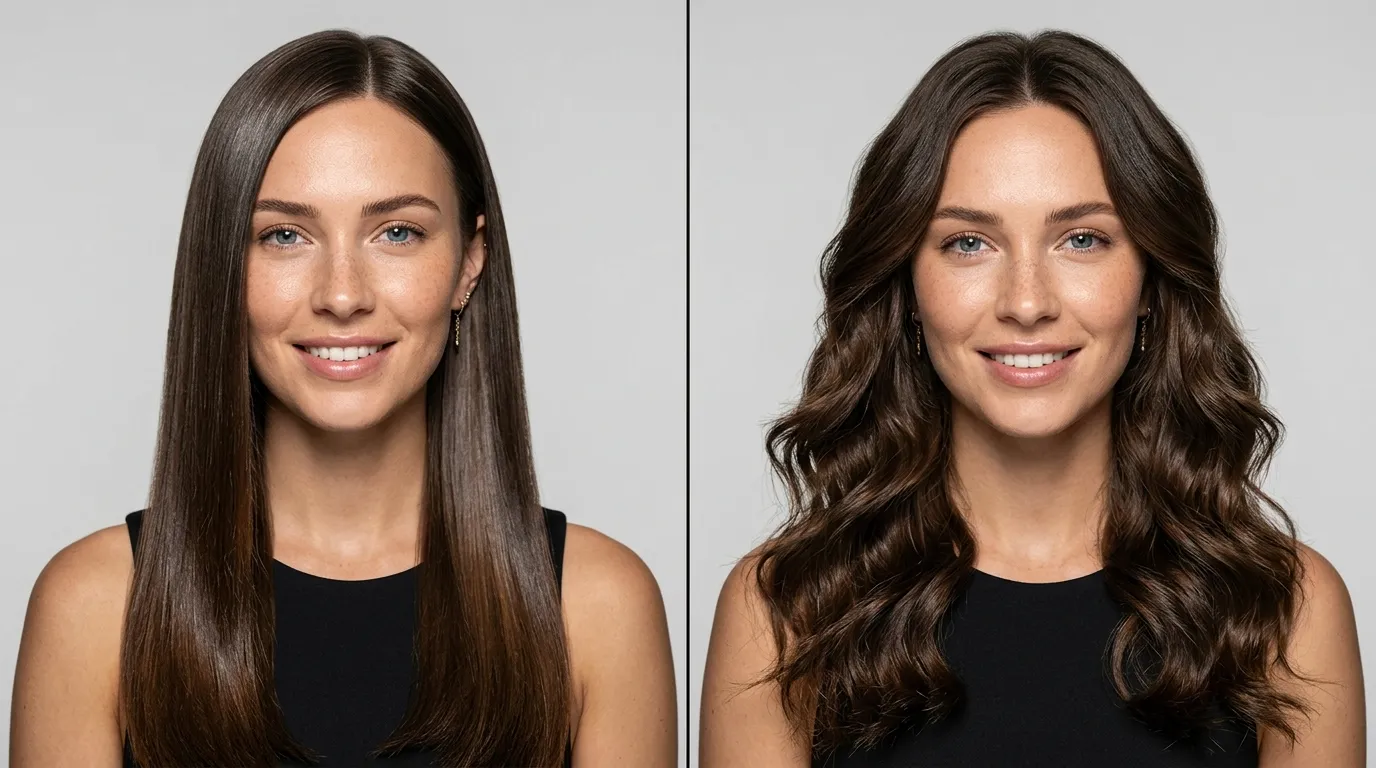
Straight and wavy hair are two of the most common natural hair textures, yet they behave very differently when it comes to styling, maintenance, and overall appearance. Understanding these differences helps you choose better hairstyles, products, and routines that enhance your natural beauty instead of fighting against your hair type.
Pinterest users frequently search for straight vs wavy hair comparisons because they want clarity on which styles suit them best. In this guide, you’ll discover 20 key style differences between straight and wavy hair, including volume, texture, styling ease, and versatility. Each point is designed to help you understand how both hair types perform in real-life styling situations.
1. Volume Difference
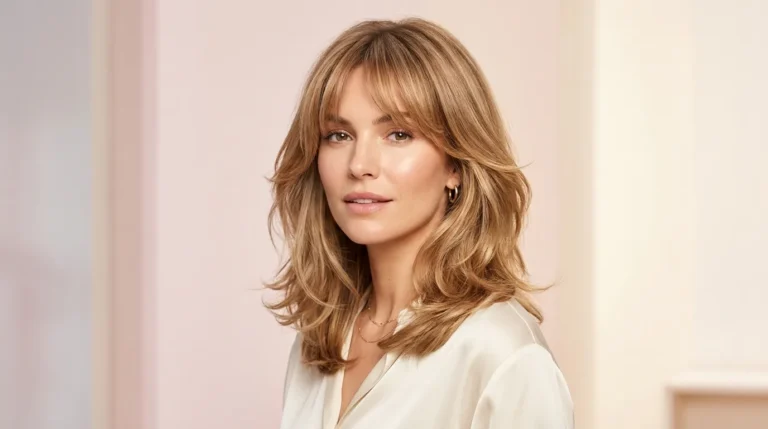
Straight hair naturally lies flat against the scalp, which often gives it a sleek but lower-volume appearance. It reflects light evenly, creating a smooth finish, but can sometimes lack lift at the roots. This makes it ideal for polished and minimal styles but less suited for naturally voluminous looks.
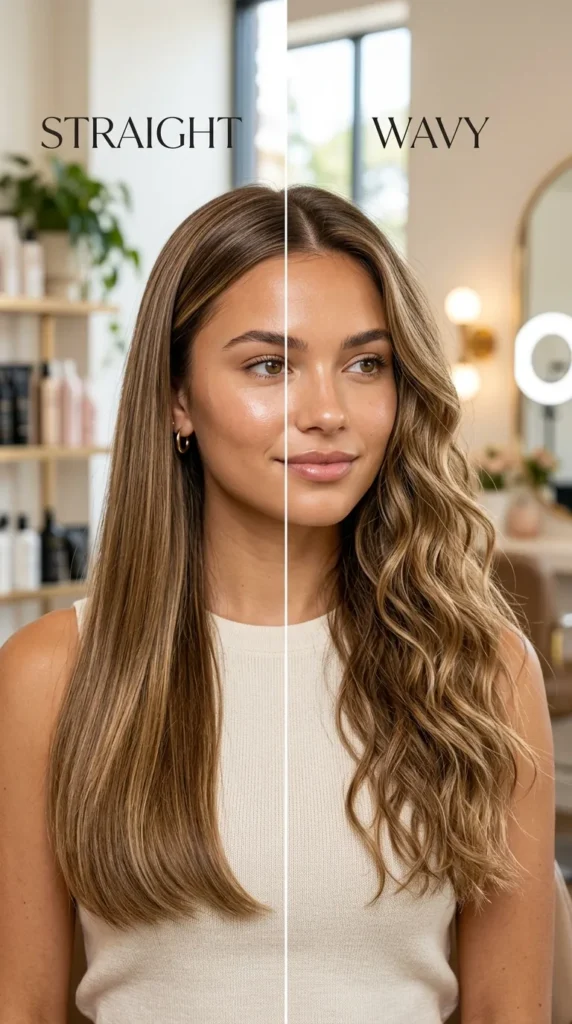
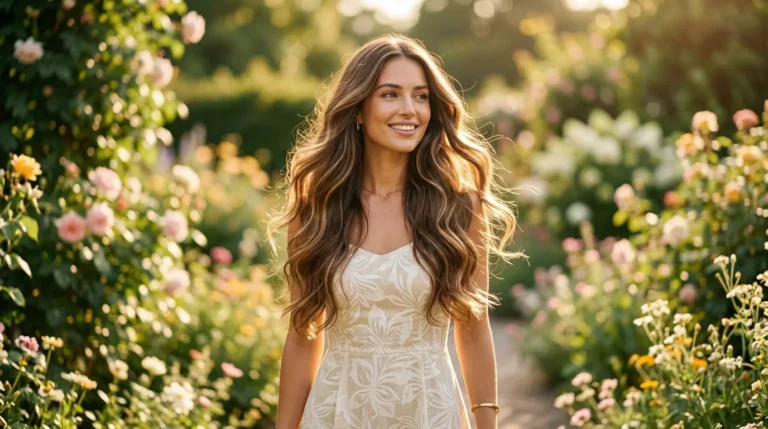
Wavy hair, on the other hand, has built-in texture that creates instant volume and movement. The bends in the hair strands naturally lift the shape, giving a fuller appearance. Pinterest users love this difference because it shows how waves add effortless body without extra styling effort.
2. Styling Effort
Straight hair is generally easier to manage in terms of tangling, but it often requires heat tools or products to add shape or texture. While it looks neat naturally, creating curls or waves can take more effort and styling time.
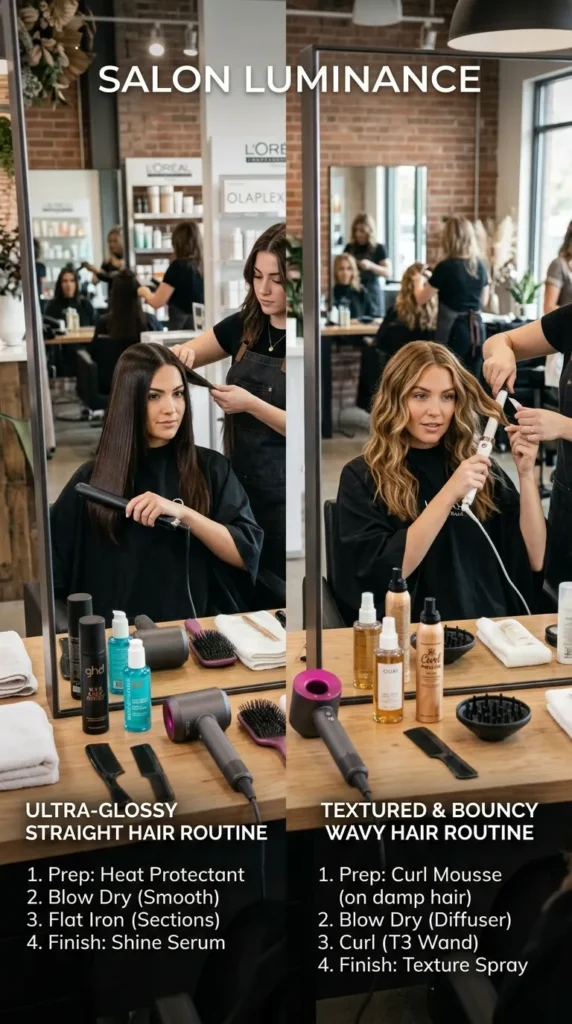
Wavy hair naturally holds shape and texture, reducing the need for heavy styling. However, it may require frizz control and definition products. Pinterest users love this contrast because it highlights different daily styling routines.
3. Shine Reflection
Straight hair reflects light more evenly, which gives it a naturally shiny and glossy appearance. The smooth surface allows light to travel easily across the strands, making it look sleek and healthy when well maintained.
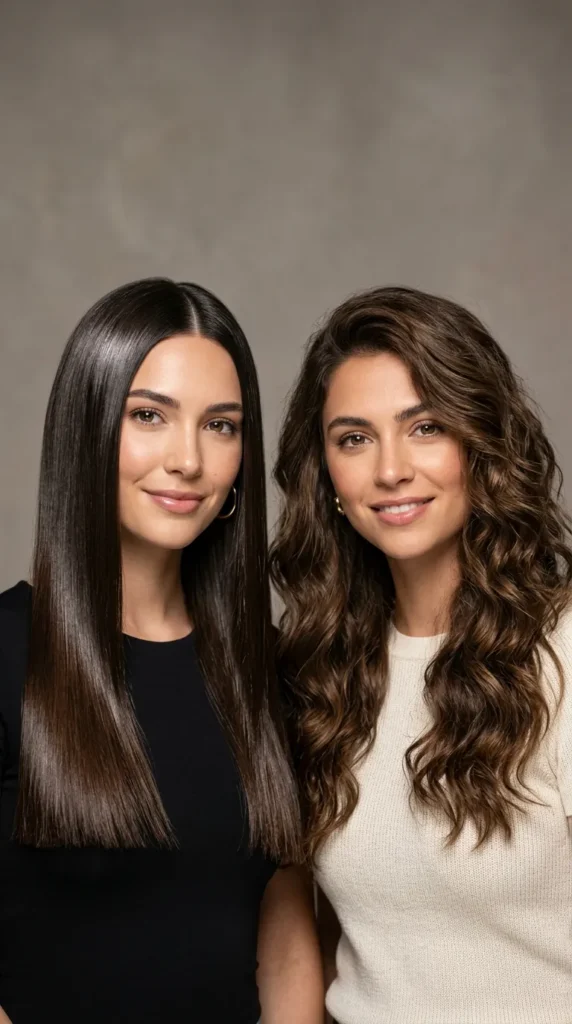
Wavy hair reflects light in different directions due to its bends, which creates a softer and more diffused shine. This gives a natural, beachy glow rather than a mirror-like finish. Pinterest users love this difference because it highlights natural beauty in both textures.
4. Frizz Levels
Straight hair tends to show frizz less visibly because of its smooth structure, but it can still suffer from flyaways in humidity or dryness. When damaged, frizz becomes more noticeable along straight strands.
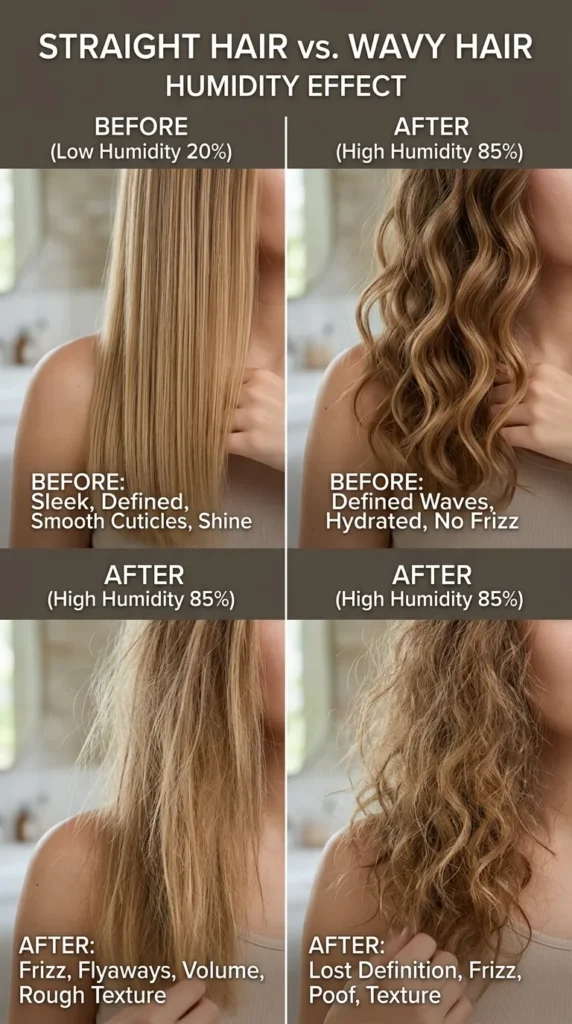
Wavy hair is naturally more prone to frizz due to its uneven structure. However, this frizz can also enhance volume and softness when controlled properly. Pinterest users love this comparison because it shows how texture affects styling challenges.
5. Curl Retention
Straight hair does not naturally hold curls for long periods, often requiring strong styling products or heat tools. Even then, curls may loosen quickly throughout the day.
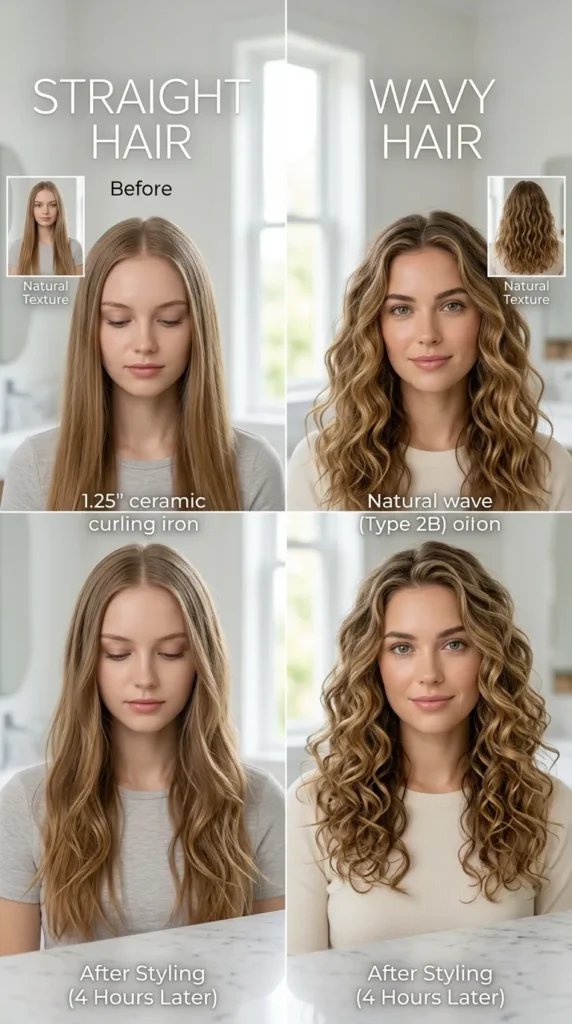
Wavy hair naturally holds curls and waves much better because of its existing texture. It provides a stronger base for styling, making curls last longer. Pinterest users love this difference because it helps with choosing the right styling techniques.
6. Hair Thickness Appearance
Straight hair often appears thinner because strands lie flat and close together. This can make hair look sleek but less voluminous, especially if the density is low.
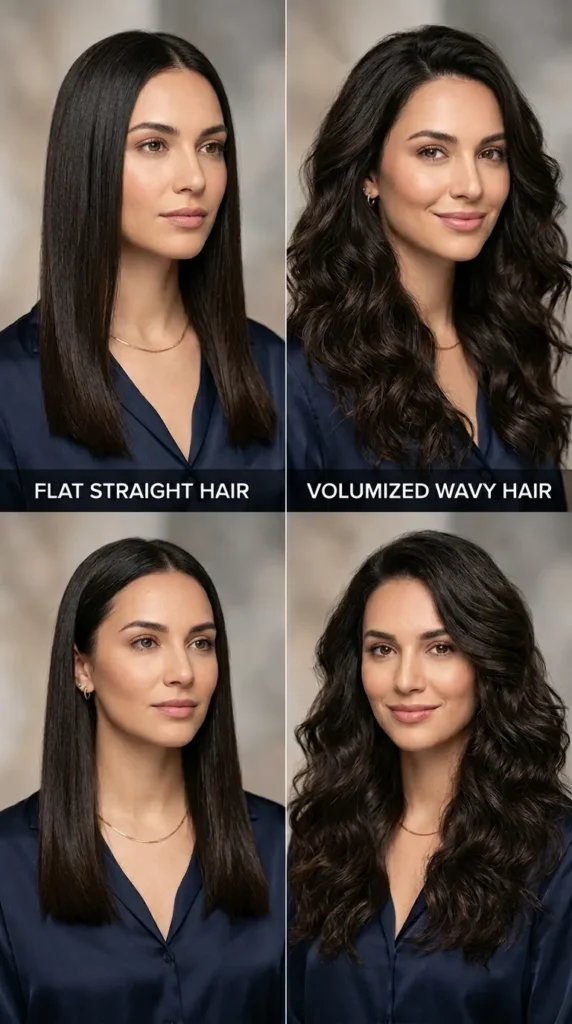
Wavy hair creates the illusion of thickness because waves add dimension and bounce. Even medium-density hair can look fuller due to the natural texture. Pinterest users love this comparison because it shows how texture impacts visual volume.
7. Updo Performance
Straight hair creates very smooth and clean updos like buns and ponytails. It holds sleek styles well but may slip without proper products or pins.
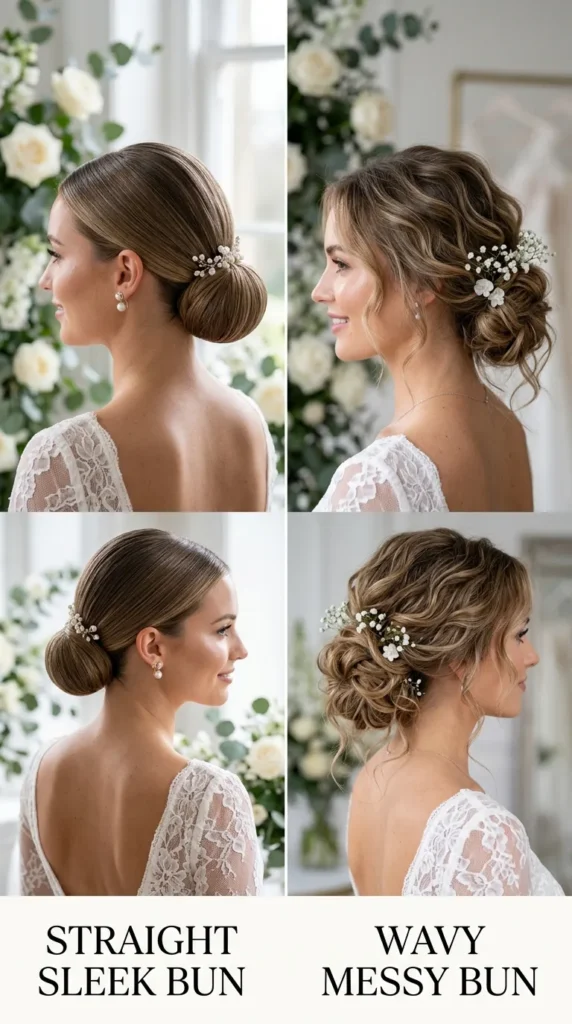
Wavy hair creates more textured and voluminous updos that feel soft and romantic. However, it may require extra smoothing for polished looks. Pinterest users love this difference because it shows two different aesthetic directions for hairstyles.
8. Ponytail Look
Straight hair ponytails appear sharp, clean, and very polished. The strands fall neatly and create a structured, elegant look that works well for formal or professional styles.
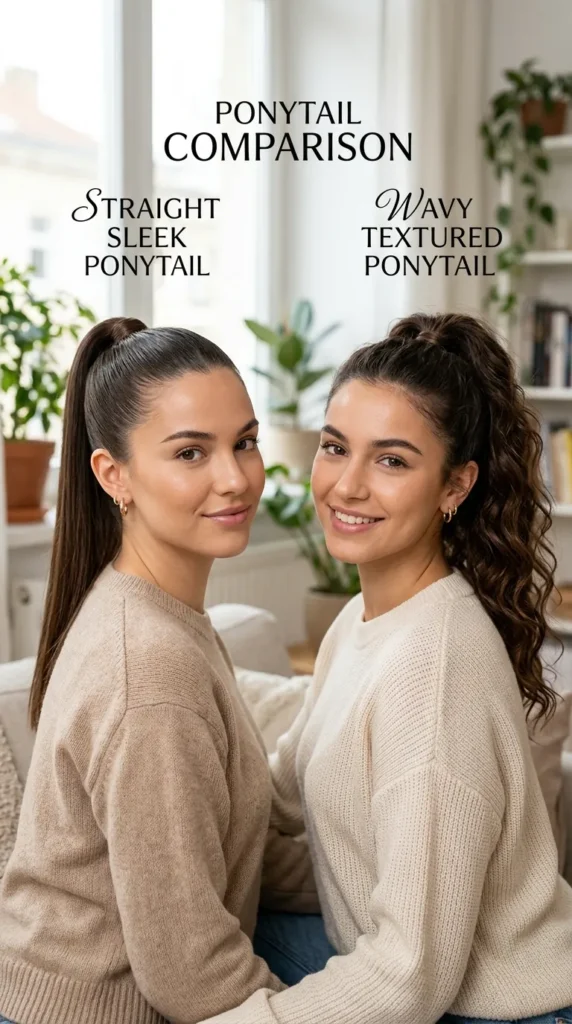
Wavy hair ponytails appear softer and more voluminous. The texture gives movement and a relaxed vibe, making it ideal for casual or beach looks. Pinterest users love this contrast because it shows how texture changes vibe completely.
9. Braided Styles Performance
Straight hair creates very clean, tight braids with a smooth finish. The strands stay aligned, giving a neat and structured look that works well for professional or minimalist styles. However, braids on straight hair can sometimes feel flat if there isn’t enough texture.
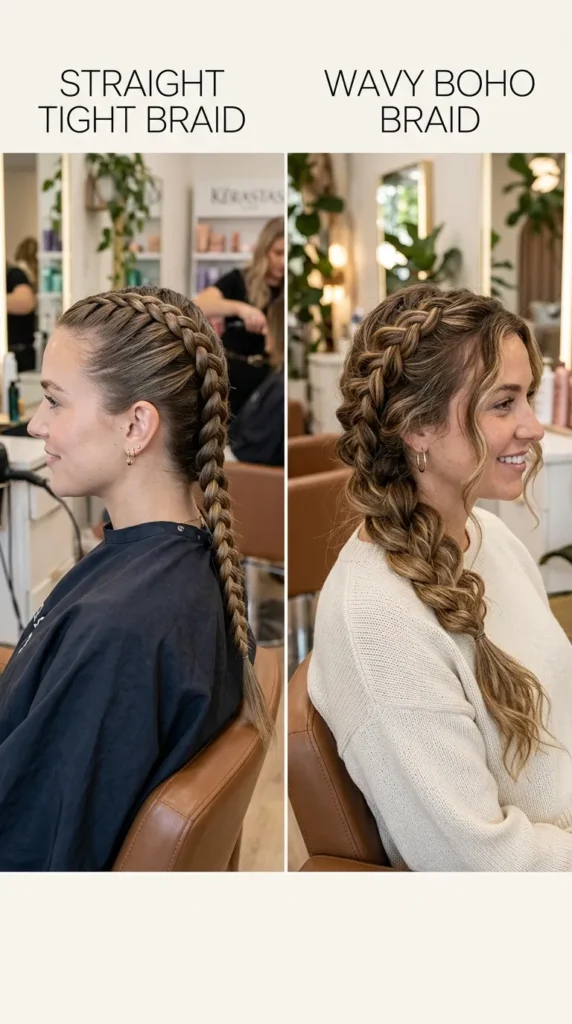
Wavy hair creates fuller, more dimensional braids with a relaxed boho effect. The natural texture adds volume and softness, making braids look thicker. Pinterest users love this difference because it shows how texture changes braid aesthetics completely.
10. Heat Styling Needs
Straight hair usually requires more heat styling when you want curls or waves. Without tools, it stays naturally sleek, which limits texture variation. This makes styling versatile but more dependent on heat tools for change.
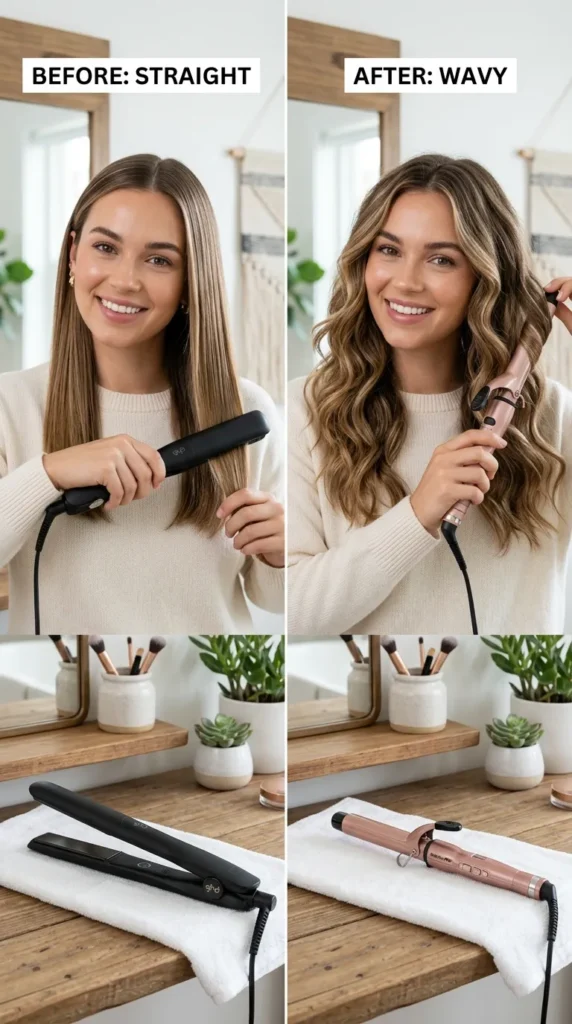
Wavy hair needs less heat styling because it already has natural bends. It can be enhanced rather than created from scratch. Pinterest users love this contrast because it highlights natural texture benefits.
11. Wash Frequency
Straight hair tends to become oily faster because oil travels easily down the smooth strand. This often leads to more frequent washing to maintain freshness and volume.
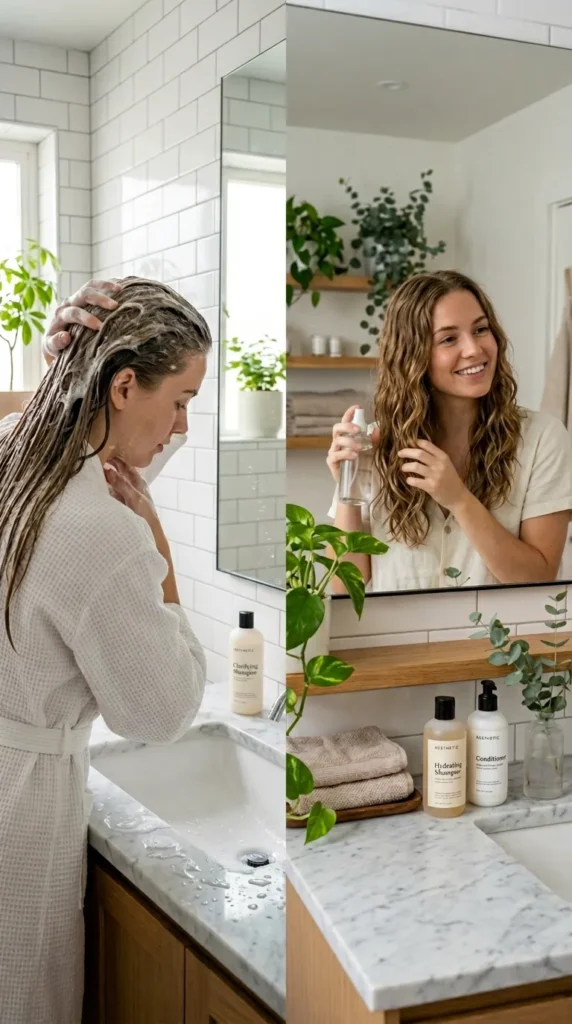
Wavy hair absorbs oil more slowly due to its bends, allowing longer gaps between washes. However, it may need hydration to prevent dryness. Pinterest users love this comparison because it explains real hair care routines.
12. Face Framing Effect
Straight hair creates a more structured face-framing effect, often falling evenly on both sides. It gives a clean, symmetrical appearance that enhances sharp facial features.
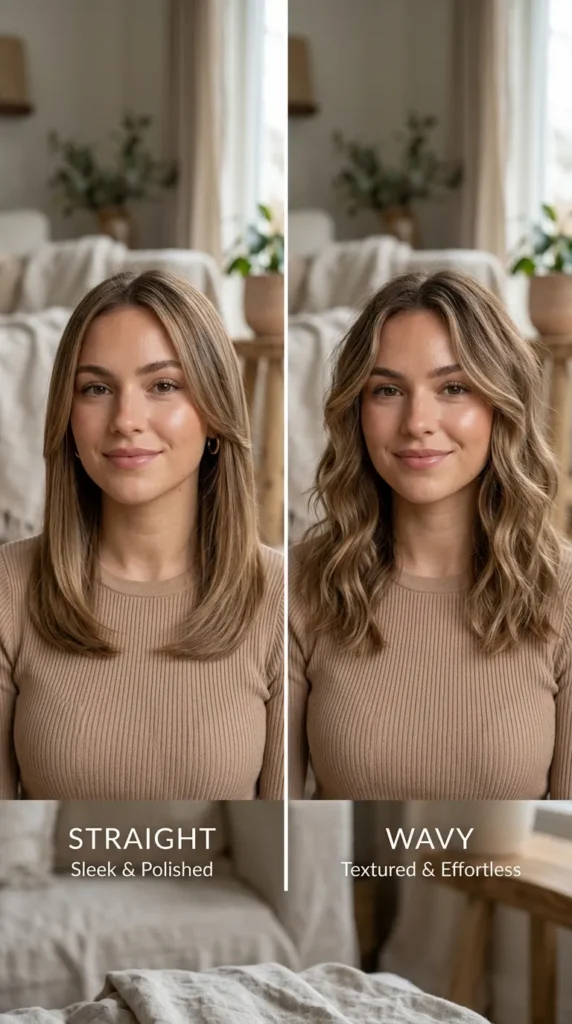
Wavy hair softens the face with gentle curves and movement. It creates a more romantic and relaxed framing effect. Pinterest users love this difference because it shows how texture changes facial aesthetics.
13. Formal Hairstyle Suitability
Straight hair is ideal for sleek formal styles like buns, ponytails, and straight-down elegant looks. It gives a polished and professional finish that works well for events and business settings.
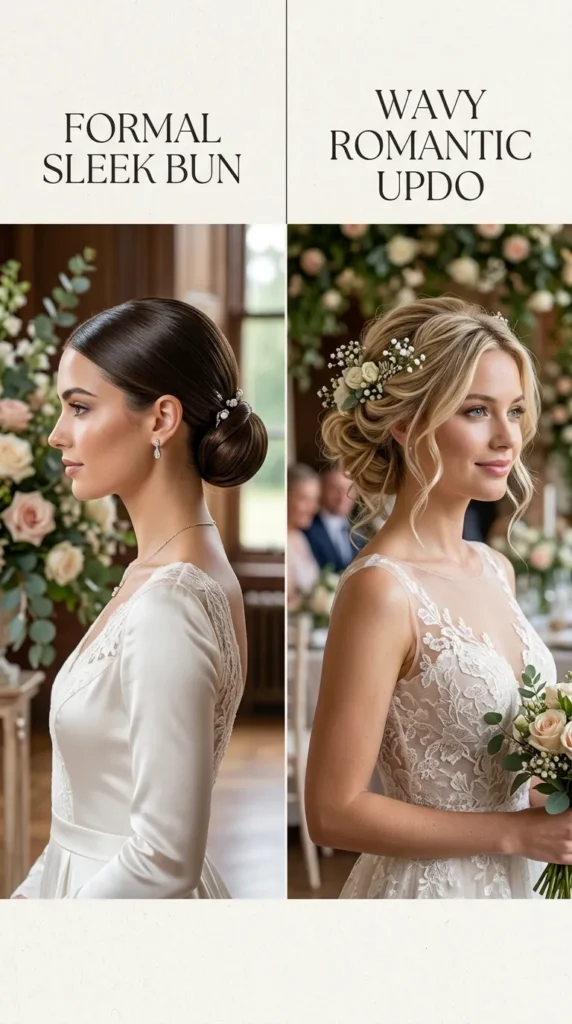
Wavy hair is better suited for soft formal styles like romantic updos and loose curls. It adds elegance with movement and softness. Pinterest users love this comparison for event styling inspiration.
14. Everyday Styling Ease
Straight hair is generally easier to maintain daily because it requires less detangling and stays neat longer. However, it may feel repetitive without styling variation.
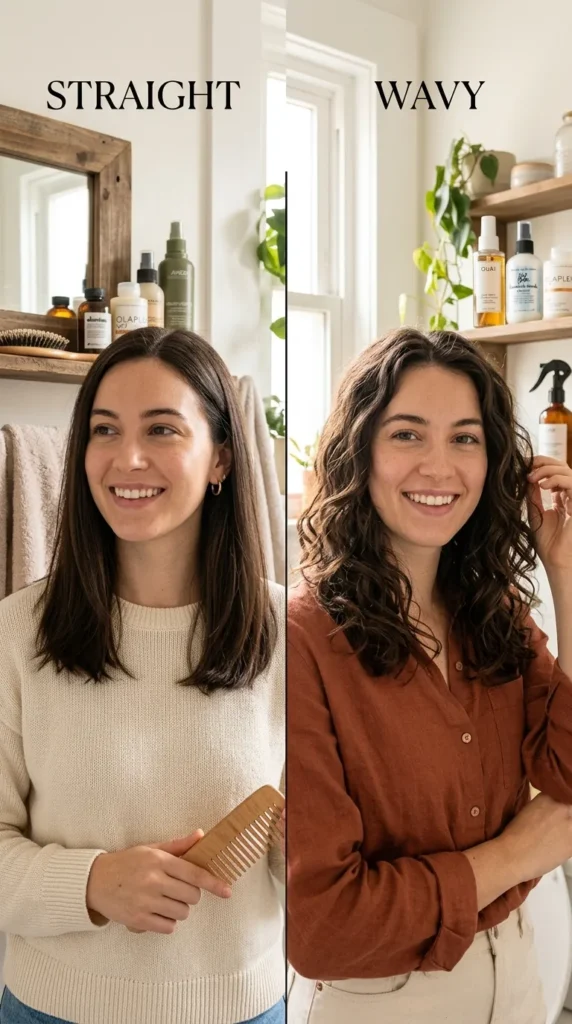
Wavy hair offers more natural styling options but may require daily frizz control or definition. Pinterest users love this contrast because it shows lifestyle differences.
15. Hair Accessories Look
Straight hair pairs well with sleek accessories like clips, pins, and headbands, creating a clean and minimal aesthetic. Accessories stand out more clearly on smooth strands.
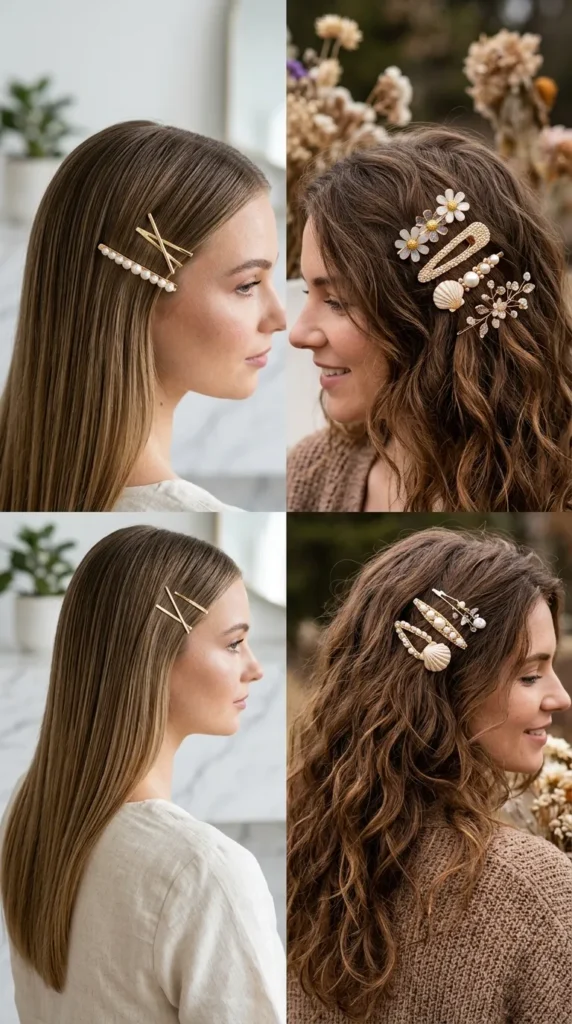
Wavy hair blends accessories into a softer, boho look. Clips and pins feel more decorative and romantic. Pinterest users love this because it shows styling versatility.
16. Volume Control
Straight hair requires styling techniques like teasing or products to create volume. Without styling, it naturally stays close to the scalp.
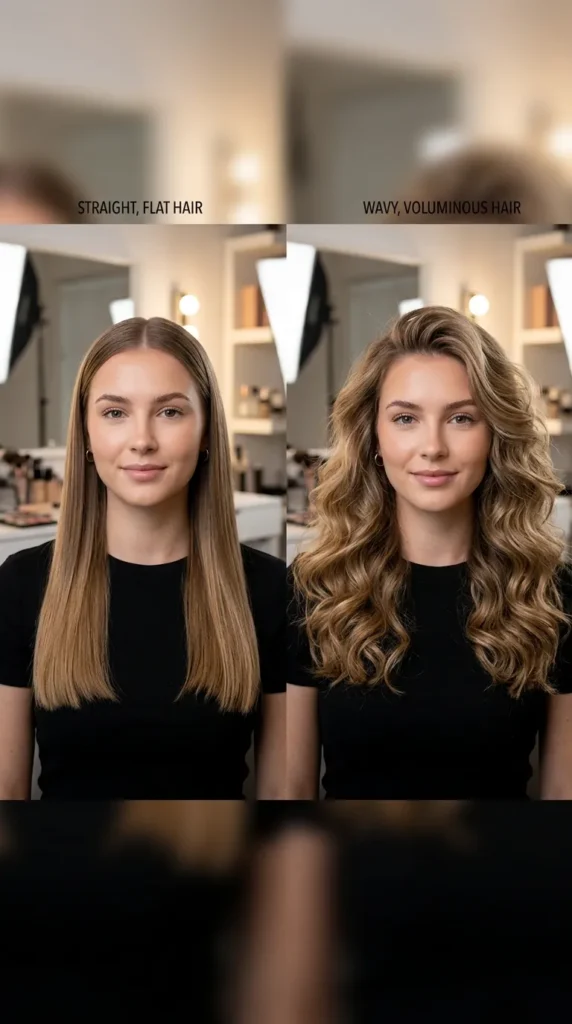
Wavy hair naturally controls volume with built-in texture. It provides lift without effort and maintains a fuller look throughout the day. Pinterest users love this difference for volume inspiration.
17. Growth Appearance
Straight hair shows length growth more visibly because strands fall evenly downward. This makes long hair goals look more defined and structured.
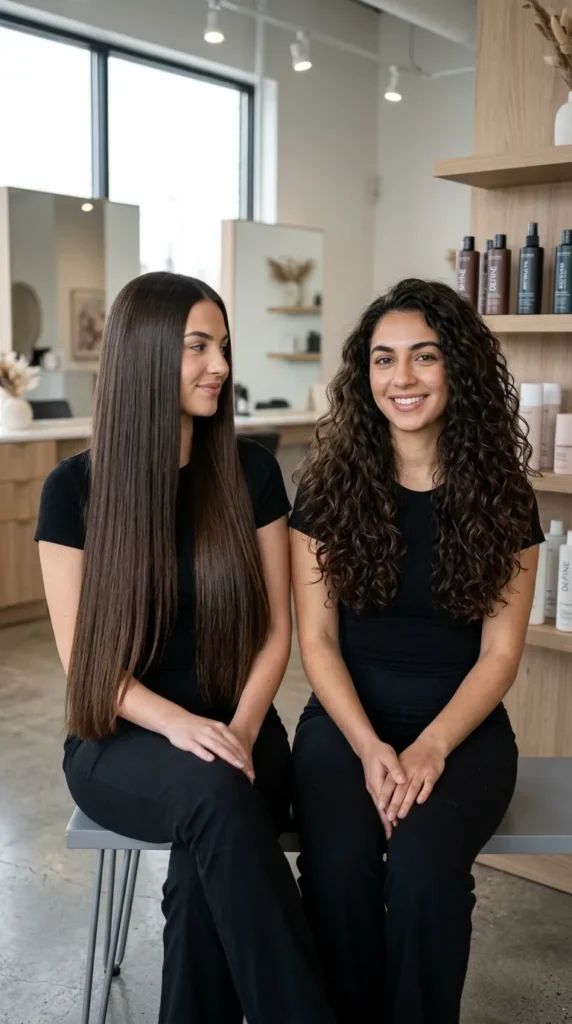
Wavy hair may appear shorter due to natural bends, even though it has the same length. However, it looks fuller during growth stages. Pinterest users love this comparison for hair growth motivation.
18. Seasonal Behavior
Straight hair can become flat in humidity and may lose volume in summer heat. It responds quickly to weather changes.

Wavy hair becomes more textured in humidity, sometimes increasing frizz but also enhancing natural waves. Pinterest users love this because it shows real seasonal hair behavior.
19. Maintenance Difficulty
Straight hair is generally lower maintenance in terms of detangling but requires styling to add volume or texture. It stays manageable for longer periods.
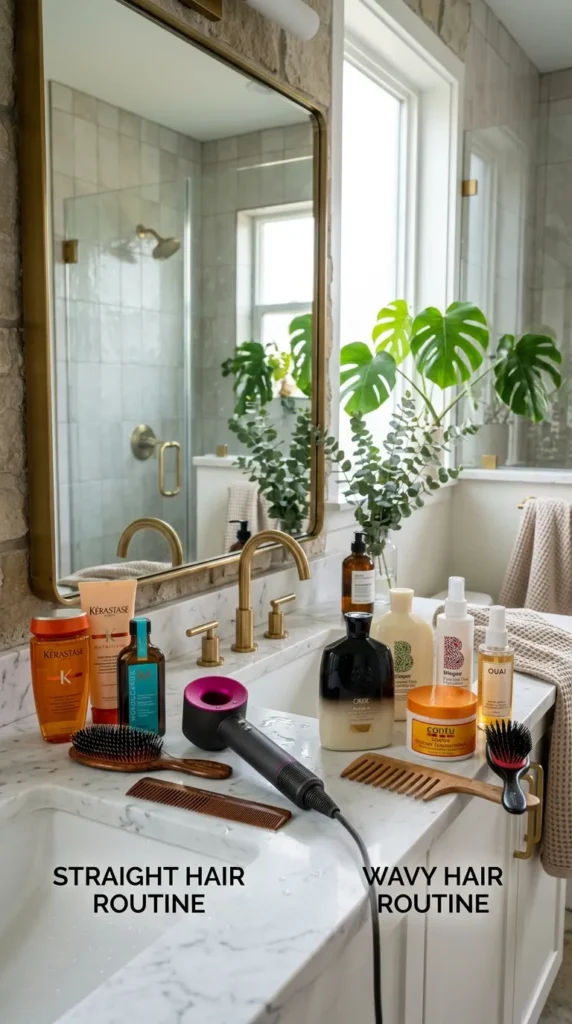
Wavy hair requires more hydration and frizz control but naturally maintains shape. Pinterest users love this comparison for realistic hair care understanding.
20. Overall Styling Versatility
Straight hair is versatile for sleek and polished looks but requires effort to achieve textured styles. It is perfect for minimal, clean aesthetics.
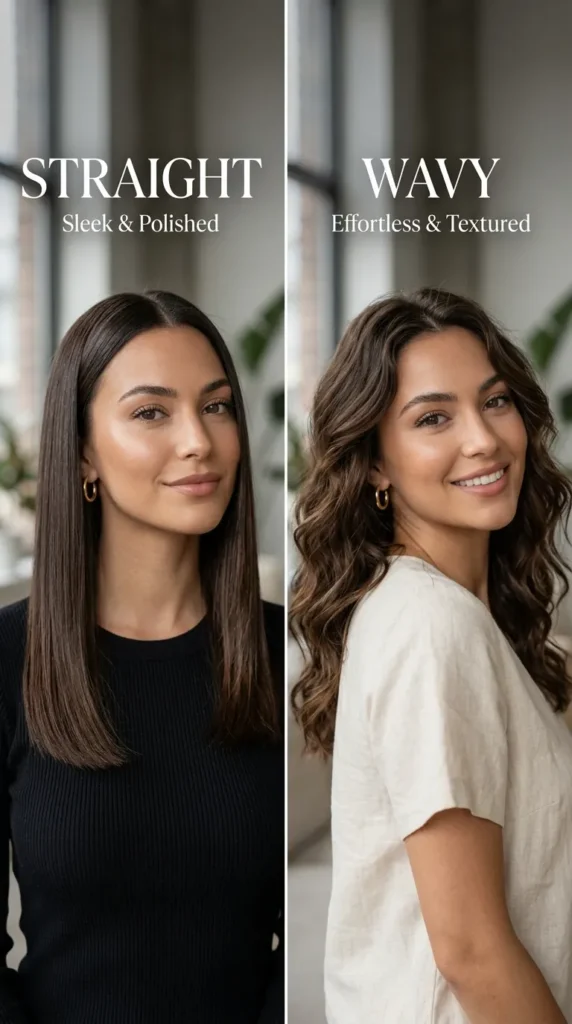
Wavy hair is naturally versatile, offering both soft and voluminous styles without much effort. Pinterest users love this final comparison because it summarizes both textures beautifully.
Conclusion
Straight and wavy hair both have unique strengths that make them beautiful in different ways. Straight hair offers sleekness, control, and elegance, while wavy hair brings volume, softness, and natural movement. Neither is better than the other—they simply create different styling possibilities.
Understanding these 20 differences helps you choose better hairstyles, products, and routines that match your natural texture. Pinterest users love this topic because it celebrates both hair types equally and inspires confidence in natural beauty.